


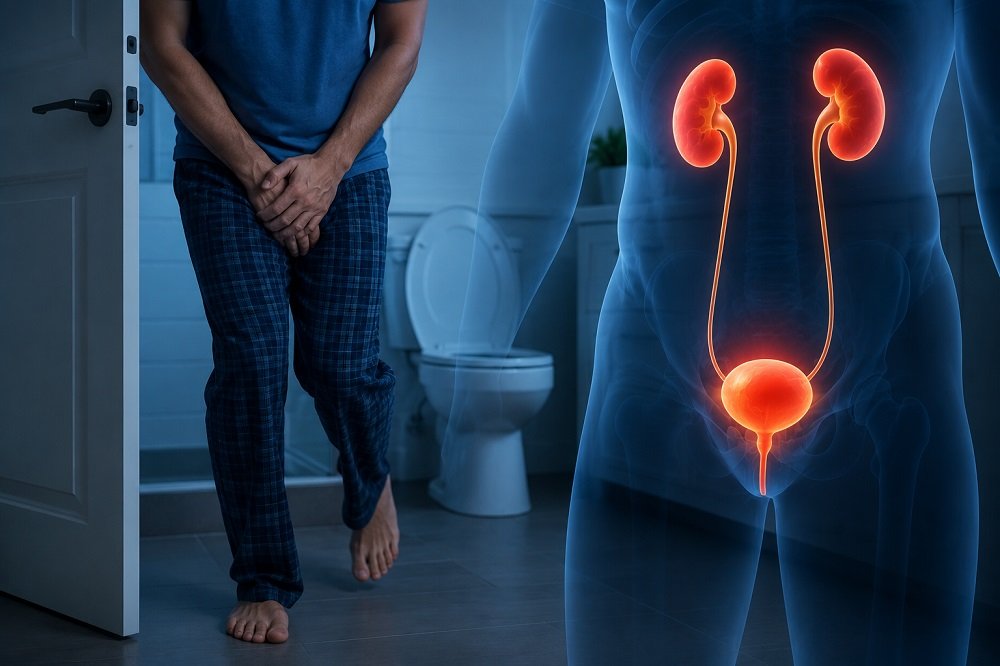
Needing to urinate more often than usual can be frustrating, especially when it starts affecting sleep, work, travel, or everyday activities. While frequent urination can sometimes be linked to drinking more fluids, it may also indicate an underlying urinary or medical condition that needs attention.
Frequent urination is not a disease by itself. It is a symptom that can occur for many different reasons, ranging from urinary tract infections to an overactive bladder, diabetes, prostate problems, or certain medications. Understanding the possible causes can help you know when it is time to seek professional advice.
If frequent urination is persistent, uncomfortable, or accompanied by other symptoms, consulting the Best Urologist in Rohini can help identify the underlying cause and guide you toward appropriate treatment.
What Is Frequent Urination?
Most people have their own normal urination pattern. Some may urinate several times during the day, while others may need to go more frequently depending on their fluid intake, diet, medications, and lifestyle.
Frequent urination generally means needing to urinate more often than is normal for you. It can occur during the daytime, at night, or both.
It is important to distinguish frequent urination from increased urine production. For example, someone who drinks a large amount of water may produce more urine, while a person with an overactive bladder may feel the urge to urinate frequently but pass only a small amount each time.
Common Causes of Frequent Urination
There are several possible causes of frequent urination. Some are temporary and easily treated, while others may require proper medical evaluation.
1. Urinary Tract Infection
A urinary tract infection (UTI) is one of the common causes of frequent urination. Bacteria can irritate the urinary tract, creating a persistent urge to urinate even when the bladder is not full.
Other symptoms may include:
- Burning or pain while urinating
- Strong-smelling urine
- Cloudy urine
- Lower abdominal discomfort
- Blood in the urine
- Fever or chills in more serious infections
If these symptoms occur together, medical evaluation is recommended rather than simply increasing water intake or waiting for the problem to disappear.
2. Overactive Bladder
An overactive bladder can cause a sudden and difficult-to-control urge to urinate. Some people may also experience urinary leakage before reaching the bathroom.
The condition can interfere with daily life and may lead people to avoid long journeys, social activities, or situations where a bathroom is not easily available.
Treatment depends on the underlying cause and may include bladder training, lifestyle changes, pelvic floor exercises, medicines, or other therapies.
3. Enlarged Prostate
In men, an enlarged prostate, also known as benign prostatic hyperplasia (BPH), can affect the normal flow of urine. As the prostate enlarges, it may press against the urethra and make it harder for the bladder to empty completely.
Common symptoms include:
- Frequent urination
- Increased urination at night
- Weak urine stream
- Difficulty starting urination
- Dribbling after urination
- Feeling that the bladder has not emptied completely
Men experiencing these symptoms should consider speaking with the Best Urologist in Rohini for an appropriate evaluation.
4. Diabetes
Frequent urination can sometimes be an early sign of diabetes. When blood sugar levels remain high, the kidneys work to remove excess glucose through urine. This can increase urine production and lead to increased thirst as well.
If frequent urination occurs along with excessive thirst, unexplained weight changes, tiredness, or increased hunger, discussing these symptoms with a healthcare professional is important.
5. Drinking Too Many Fluids
Sometimes the reason is quite simple. Drinking large quantities of water, especially close to bedtime, can naturally increase the need to urinate.
Caffeinated drinks such as coffee, tea, and some energy drinks can also increase urinary frequency in certain people. Alcohol may have a similar effect.
If your symptoms are mainly related to fluid intake, adjusting when and how much you drink may help.
6. Pregnancy
During pregnancy, hormonal changes and pressure from the growing uterus can increase the need to urinate. This is common and may change throughout pregnancy.
However, frequent urination accompanied by burning, fever, pain, or blood in the urine should not automatically be considered a normal pregnancy symptom and should be discussed with a healthcare professional.
7. Certain Medications
Some medicines, particularly diuretics used for conditions such as high blood pressure or fluid retention, increase urine production. This can naturally result in more frequent trips to the bathroom.
If you notice a change after starting a medication, do not stop taking it on your own. Instead, discuss the symptoms with your doctor.
8. Kidney or Bladder Problems
Kidney stones, bladder inflammation, and other urinary conditions may cause frequent urination. These problems can also produce symptoms such as pain, blood in the urine, difficulty urinating, or changes in urine appearance.
The combination of symptoms can provide important clues about the underlying condition.
Why Do You Need to Urinate Frequently at Night?
Frequent nighttime urination is known as nocturia. Waking once occasionally may not be concerning, but regularly getting up multiple times during the night can affect sleep quality and overall well-being.
Possible causes include:
- Drinking fluids late in the evening
- Caffeine or alcohol consumption
- Overactive bladder
- Enlarged prostate
- Diabetes
- Certain medications
- Sleep-related conditions
- Some heart or kidney problems
Persistent nighttime urination should be evaluated, particularly when it is accompanied by other urinary symptoms.
When Should You See a Urologist?
Not every episode of frequent urination requires specialist treatment. However, you should consider seeking medical advice when the problem continues without an obvious reason or begins interfering with your daily routine.
A urology consultation may be particularly important if frequent urination occurs with:
- Blood in the urine
- Pain or burning while urinating
- Fever or chills
- Lower abdominal or back pain
- Weak urine flow
- Difficulty starting urination
- Sudden urinary urgency
- Urinary leakage
- Repeated urinary infections
- Frequent nighttime urination
For people looking for the Best Urologist in Shalimar Bagh, choosing a specialist who carefully evaluates the symptoms rather than treating frequent urination as an isolated problem can make a meaningful difference.
How Is Frequent Urination Diagnosed?
The first step is usually a detailed discussion about your symptoms. Your doctor may ask how often you urinate, whether you wake during the night, how much urine you pass, and whether you experience pain or urgency.
Depending on your symptoms, the evaluation may include:
Urine Tests
A urine test can help detect infection, blood, glucose, or other abnormalities.
Blood Tests
Blood tests may be recommended when conditions such as diabetes or kidney problems are suspected.
Ultrasound
An ultrasound can provide information about the kidneys and bladder and may help identify stones, urinary retention, or other abnormalities.
Prostate Evaluation
For men with urinary symptoms, the prostate may be evaluated to determine whether enlargement is contributing to the problem.
Bladder Diary
Keeping a record of fluid intake, bathroom visits, urgency, and nighttime urination can sometimes help the doctor understand your urinary pattern.
Treatment Options for Frequent Urination
Treatment depends entirely on the cause. There is no single medicine or procedure that works for everyone.
Lifestyle Changes
Simple changes may help some people manage urinary frequency. These can include:
- Limiting excessive caffeine
- Reducing alcohol intake
- Avoiding large amounts of fluid immediately before bedtime
- Maintaining a healthy weight
- Staying physically active
- Following appropriate bladder-training techniques
However, drinking too little water can also be harmful, particularly for people prone to kidney stones. Fluid intake should therefore be adjusted sensibly rather than severely restricted.
Treatment for Urinary Infections
If a bacterial UTI is diagnosed, your doctor may prescribe appropriate antibiotics. Completing the prescribed course is important.
Medicines for Overactive Bladder
Depending on the patient’s condition, doctors may recommend medicines that help reduce bladder contractions and urgency.
Treatment for Enlarged Prostate
Men with BPH may benefit from lifestyle adjustments, medicines, minimally invasive procedures, or surgery depending on the severity of symptoms and how well they respond to initial treatment.
Managing Underlying Conditions
When frequent urination is caused by diabetes, kidney disease, hormonal problems, or another underlying condition, treating that condition is an important part of improving urinary symptoms.
Can Frequent Urination Be Prevented?
Not every cause can be prevented, but certain habits can support better urinary health.
Drink enough water throughout the day, avoid excessive caffeine and alcohol, maintain good personal hygiene, and avoid routinely holding urine for very long periods.
People who have experienced kidney stones or recurrent urinary infections may need additional preventive measures based on their individual risk factors.
Keeping track of changes in urinary habits can also be useful. A sudden or persistent change should not simply be ignored.
Choosing the Right Urologist
Frequent urination can have many different causes, so proper diagnosis is more useful than simply treating the symptom. A qualified urologist can assess your medical history, symptoms, test results, and lifestyle factors before recommending treatment.
If you are searching for the Best Urologist in Rohini, consider a specialist who takes time to understand your symptoms and explains the available treatment options clearly.
Patients looking for the Best Urologist in Shalimar Bagh should similarly consider factors such as experience, diagnostic approach, communication, and access to appropriate urological treatments.
Final Thoughts
Frequent urination may be caused by something as simple as excessive fluid or caffeine intake, but it can also be associated with UTIs, overactive bladder, prostate enlargement, diabetes, kidney stones, and other conditions.
The important thing is to pay attention to persistent changes in your normal urinary habits. Symptoms such as pain, blood in the urine, fever, weak urine flow, or difficulty emptying the bladder deserve timely medical attention.
Consulting the Best Urologist in Rohini can help determine why you are urinating frequently and whether you need medication, lifestyle changes, further testing, or a specialized treatment. Getting the right diagnosis is the first step toward improving urinary health and getting back to your normal routine.
