


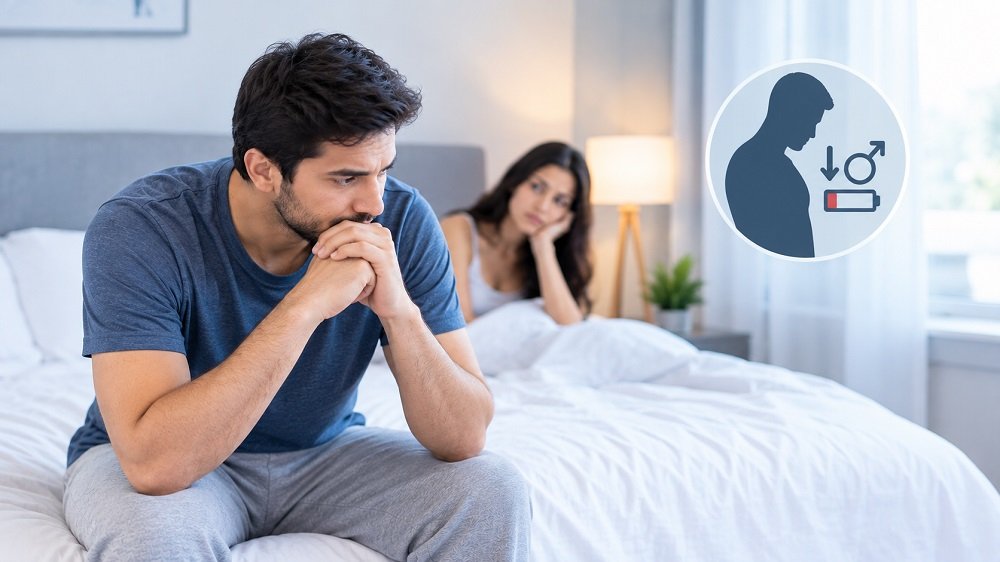
Sexual desire can naturally change throughout life. However, when a man notices a persistent drop in his interest in sex, it can become a source of concern. Low sexual desire, also called low libido, can affect confidence, relationships, and overall quality of life.
A temporary decrease in sexual interest may happen because of stress, tiredness, poor sleep, or emotional concerns. But if low libido continues for a long time, it is worth understanding what may be causing it. Seeking Low Libido Treatment in Noida can help identify the underlying factors and guide you toward appropriate care.
What Is Low Libido?
Low libido means having less interest in sexual activity than usual. It does not look the same for everyone. Some men may notice a complete lack of interest, while others may simply feel that their desire has reduced compared with the past.
It is also important to remember that there is no fixed level of sexual desire that is considered normal for every man. Changes become more concerning when they are persistent, unexpected, or causing personal or relationship difficulties.
A consultation with a Best Sexologist in Noida can help determine whether the change is related to physical health, emotional well-being, lifestyle, or a combination of different factors.
Common Causes of Low Sexual Desire in Men
Low libido can have several causes. Understanding these factors is the first step toward addressing the problem.
1. Stress and Anxiety
Daily stress can have a major impact on sexual interest. Work pressure, financial concerns, family responsibilities, and relationship difficulties can leave the mind constantly occupied.
When you are stressed, it can become difficult to relax and focus on intimacy. Performance anxiety can also reduce sexual confidence and create a cycle in which worrying about sex further reduces interest.
2. Poor Sleep
Sleep plays an important role in physical and emotional well-being. Regularly getting insufficient or poor-quality sleep can leave you tired and less interested in sexual activity.
Establishing a consistent sleep routine and addressing ongoing sleep problems may help improve energy and overall well-being.
3. Hormonal Changes
Hormones, including testosterone, are involved in male sexual desire. Changes in hormone levels may sometimes contribute to reduced libido.
However, low testosterone is not the only possible explanation for low sexual desire. Proper medical evaluation is important before assuming that a hormonal problem is responsible.
4. Relationship Difficulties
Emotional connection can influence sexual desire. Frequent disagreements, unresolved conflicts, lack of communication, or emotional distance may affect intimacy.
Talking openly with your partner can sometimes help identify concerns that may be affecting your relationship and sexual interest.
5. Certain Medical Conditions
Some health conditions can affect sexual desire. Diabetes, obesity, thyroid disorders, depression, and other health concerns may be associated with changes in libido.
Managing an underlying condition can sometimes help improve sexual health as well.
6. Medications and Substance Use
Certain prescription medicines may cause sexual side effects in some people. Excessive alcohol consumption and recreational drug use can also affect sexual function and desire.
If you believe a prescribed medicine is affecting your libido, speak with your doctor rather than stopping the medication yourself.
Signs That You May Need Professional Help
A temporary decrease in sexual desire is not necessarily a reason to worry. However, professional advice may be useful when the problem persists or begins affecting your life.
Consider seeking help if you experience:
- A long-lasting reduction in sexual interest
- A sudden change in libido without an obvious reason
- Low desire along with erection problems
- Persistent tiredness or mood changes
- Relationship difficulties related to intimacy
- Anxiety or distress about your sexual health
A Best Sexologist in Noida can discuss your symptoms, medical history, lifestyle, and concerns to help identify possible contributing factors.
How Can You Improve Libido Naturally?
Depending on the cause, simple lifestyle changes may support healthier sexual desire.
Exercise Regularly
Physical activity can support cardiovascular health, energy levels, mood, and overall fitness. Activities such as walking, strength training, swimming, or cycling can be incorporated into a regular routine.
Get Enough Sleep
Aim for a consistent sleep schedule and make your bedroom comfortable for rest. Limiting excessive screen use before bedtime and maintaining regular sleep and wake times can also help.
Manage Stress
Finding healthy ways to manage stress can make a difference. Meditation, breathing exercises, exercise, hobbies, and spending quality time with loved ones may help reduce daily mental pressure.
Eat a Balanced Diet
A balanced diet containing vegetables, fruits, whole grains, protein, and healthy fats supports general health. Maintaining a healthy weight may also benefit overall sexual well-being.
Limit Alcohol and Avoid Smoking
Excessive alcohol and smoking can negatively affect overall health and sexual function. Reducing these habits can be an important part of improving your lifestyle.
When Should You Consider Low Libido Treatment?
If lifestyle changes do not improve the problem, professional evaluation can help identify the underlying cause. Low Libido Treatment in Noida may vary depending on whether the issue is related to stress, hormones, medication, an underlying health condition, or relationship concerns.
Treatment should be based on the individual rather than a one-size-fits-all approach. Depending on the findings, a healthcare professional may recommend lifestyle changes, counselling, treatment for an underlying medical condition, or other appropriate options.
It is better to avoid taking testosterone supplements, sexual-performance medicines, or unverified herbal products without professional guidance.
The Importance of Finding the Underlying Cause
Treating low libido is not simply about increasing sexual desire. The goal is to understand why your interest has changed in the first place.
For example, someone experiencing high stress may need a different approach from someone with a hormonal problem. Similarly, a man whose low libido is connected to relationship difficulties may benefit from communication or counselling.
A personalized approach to Low Libido Treatment in Noida can help address the factors that are actually contributing to the problem.
Can Low Libido Affect Relationships?
Yes, a persistent lack of sexual interest can sometimes create misunderstandings between partners. One partner may interpret reduced sexual interest as rejection, while the person experiencing low libido may feel guilty or pressured.
Open communication can help reduce these misunderstandings. Explain how you feel without blaming your partner, and give them an opportunity to share their perspective.
If sexual concerns continue despite communication, professional guidance from a Best Sexologist in Noida can provide a safe environment to discuss the issue.
Final Thoughts
Low sexual desire is a common concern and can happen for many different reasons. Stress, poor sleep, lifestyle habits, relationship concerns, medications, hormonal changes, and certain medical conditions can all play a role.
The important thing is not to ignore a persistent change or feel embarrassed about seeking help. Identifying the underlying cause can make it easier to choose an appropriate approach.
If low libido is affecting your confidence, relationship, or quality of life, Low Libido Treatment in Noida can help you understand the possible causes and available options. With proper guidance and healthy lifestyle changes, many men can work toward better sexual well-being and renewed confidence.
