


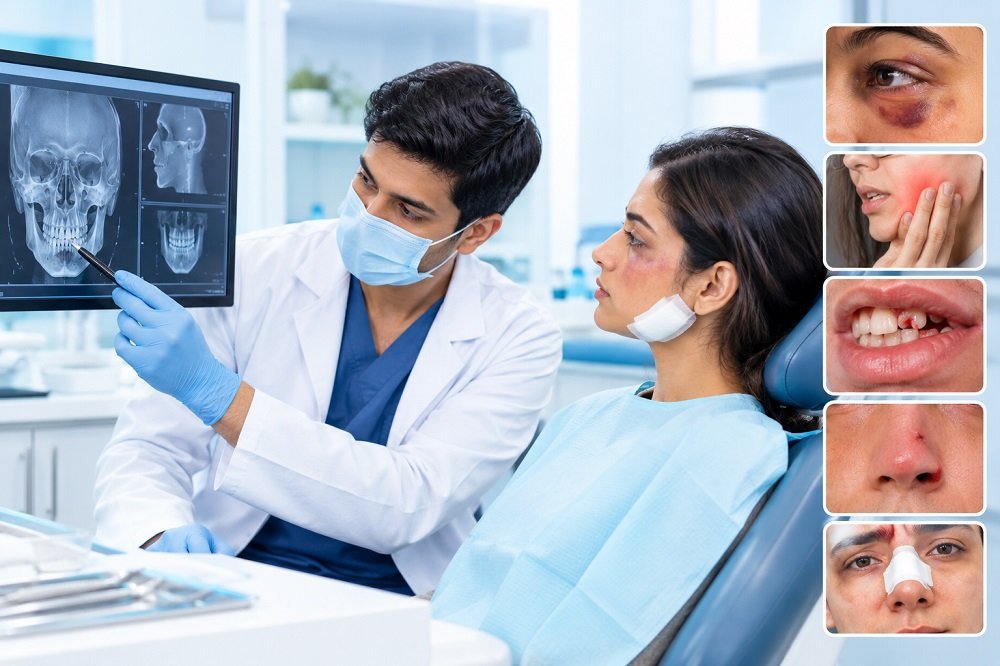
Facial injuries can happen unexpectedly. A road accident, sports injury, fall, workplace accident, or even a simple household mishap can cause damage to the teeth, jaw, cheeks, nose, or other facial structures. While some injuries are minor and heal with basic care, others may require specialized surgical treatment.
Facial trauma can affect more than appearance. It may interfere with eating, speaking, breathing, jaw movement, and the normal function of the teeth. Knowing when professional evaluation is necessary can help prevent complications. An Oral & Maxillofacial Surgeon in Delhi can assess facial injuries and determine whether surgical or non-surgical treatment is appropriate.
What Is Facial Trauma?
Facial trauma refers to injuries affecting the soft tissues, bones, teeth, or other structures of the face. The severity can range from a small cut or chipped tooth to complex fractures involving the jaw or facial bones.
Common causes include:
- Road and vehicle accidents
- Falls
- Sports-related injuries
- Workplace accidents
- Physical injuries
- Bicycle or motorcycle accidents
- Animal-related injuries
Sometimes, the damage is immediately obvious. In other cases, a fracture or internal injury may not be easy to identify without a detailed examination and appropriate imaging.
When Does Facial Trauma Require Surgery?
Not every facial injury requires an operation. Minor cuts, bruises, and uncomplicated dental injuries may be managed with conservative treatment. However, surgery may become necessary when there is significant damage to the bones, jaw, teeth, or surrounding structures.
1. Jaw Fractures
A fractured jaw is one of the more serious facial injuries. It can cause swelling, pain, difficulty opening or closing the mouth, changes in the way the teeth fit together, and difficulty eating.
Depending on the location and severity of the fracture, treatment may involve observation, stabilization, or surgical fixation. An Oral & Maxillofacial Surgeon in Delhi can evaluate the fracture and determine the most suitable approach.
2. Facial Bone Fractures
Trauma can affect several facial bones, including the cheekbone, eye socket, nasal region, or upper jaw. Some fractures can be treated without surgery, while displaced or complicated fractures may require surgical correction.
The treatment plan depends on factors such as the location of the fracture, displacement of the bone, functional problems, and associated injuries.
3. Severe Dental Injuries
Facial trauma can also damage teeth. A tooth may become fractured, displaced, loosened, or completely knocked out.
Depending on the injury, treatment may involve restorative dentistry, stabilization, root canal treatment, or replacement of the damaged tooth. A Best Dentist in Delhi can assess dental damage and coordinate care when additional surgical treatment is required.
4. Difficulty Moving the Jaw
After an accident, some people notice that their jaw does not move normally. They may have difficulty opening their mouth, chewing, or bringing their teeth together.
This can sometimes indicate a fracture or injury involving the jaw joint or surrounding structures. Persistent difficulty with jaw movement should be evaluated rather than ignored.
5. Changes in Your Bite
Your teeth should normally come together in a relatively consistent position. Following facial trauma, a sudden change in your bite may indicate that the jaw or facial bones have shifted.
An Oral & Maxillofacial Surgeon in Delhi can examine your bite and use imaging when necessary to determine whether there is an underlying fracture or displacement.
What Does Maxillofacial Surgery Involve?
Maxillofacial surgery covers procedures involving the mouth, jaws, face, and related structures. When facial trauma requires surgery, the goal is generally to restore the position and stability of damaged structures while preserving normal function.
Depending on the injury, treatment may involve repositioning fractured bones and securing them with specialized fixation materials. Some patients may also require treatment for associated dental or soft-tissue injuries.
The exact procedure varies from one patient to another. A detailed examination and imaging assessment are usually important before deciding on surgery.
Why Early Evaluation Matters
After a significant facial injury, it may be tempting to wait and see whether symptoms improve. However, some fractures and dental injuries can become more difficult to manage if treatment is delayed.
Seek prompt medical or dental evaluation if you experience:
- Severe facial pain or swelling
- Difficulty breathing or swallowing
- Heavy or persistent bleeding
- Difficulty opening or closing the mouth
- A sudden change in your bite
- Loose, displaced, or knocked-out teeth
- Numbness in part of the face
- Double vision or vision-related symptoms
- A visible change in facial shape
A Best Dentist in Delhi can evaluate dental injuries, while complex facial or jaw injuries may require assessment by a specialist.
What Happens During an Evaluation?
The first step is usually a detailed examination. The specialist may ask how the injury occurred and whether you have experienced pain, swelling, bleeding, numbness, or changes in your bite.
Depending on the injury, dental X-rays or other imaging may be recommended. These images can help identify fractures that are not obvious from an external examination.
An Oral & Maxillofacial Surgeon in Delhi can then discuss the findings and explain whether observation, medication, dental treatment, or surgery is appropriate.
Recovery After Facial Trauma Surgery
Recovery depends heavily on the type and extent of the injury. Some patients may experience swelling, bruising, discomfort, and restricted jaw movement during the early recovery period.
Following the surgeon’s instructions is important. This may include maintaining oral hygiene, following dietary recommendations, taking prescribed medications, attending follow-up appointments, and avoiding activities that could cause another facial injury.
Your recovery plan will depend on the specific procedure and your overall condition.
Can Facial Trauma Be Prevented?
Accidents cannot always be avoided, but certain precautions can reduce the risk of serious facial injuries. Wearing appropriate helmets and protective equipment during sports or two-wheeler travel is important. Seat belts should also be used consistently in vehicles.
People involved in contact sports can discuss suitable mouthguards with their dental professional to help protect the teeth and mouth.
Choosing the Right Specialist
Facial trauma can involve several structures at the same time, so the appropriate specialist depends on the nature of the injury. Dental injuries may require a dentist, while complex fractures involving the jaws and facial bones may require specialized maxillofacial care.
An Oral & Maxillofacial Surgeon in Delhi has specialized training in surgical conditions involving the mouth, jaws, face, and related structures and can help manage appropriate facial trauma cases.
Take Facial Injuries Seriously
A facial injury may look minor on the outside while involving deeper structures underneath. Pain, swelling, changes in your bite, difficulty moving the jaw, numbness, or damaged teeth should not be ignored after an accident.
Getting evaluated promptly can help identify the extent of the injury and determine the appropriate treatment. Whether the solution involves dental care, observation, or maxillofacial surgery, early professional assessment can help protect both function and appearance.
